
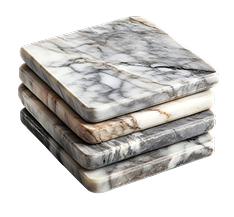
For centuries, marble has stood as one of the most coveted materials in the world of architecture and interior design. Its natural veining, timeless polish, and unmistakable aura of prestige have made it a cornerstone in some of history’s most iconic structures from ancient palaces and temples to today’s modern luxury residences and commercial landmarks. In a world where trends come and go, marble remains constant: a universal symbol of elegance.
The Enduring Legacy of Marble
Marble’s association with luxury begins with its geological origins. Formed deep within the Earth through heat, pressure, and time, every slab is a one-of-a-kind artwork created by nature. This rarity is part of its allure. No two pieces ever match completely, making any space adorned with marble inherently unique.
Throughout history, civilizations recognized its value. The Greeks carved statues from marble that still shine today. The Romans built entire structures: baths, villas and flooring using Carrara, a material still celebrated in contemporary architecture. Marble has been used by master artisans for thousands of years, making it synonymous with sophistication and permanence.
Why Marble Defines Luxury Architecture
Aesthetic Brilliance
Marble captivates with its subtle sheen and intricate veining. Whether it is the dramatic gold strokes of Calacatta, the delicate waves of Carrara, or the warm blush tones of Rosa Portugués, marble offers a visual richness few materials can match. Designers and architects often describe it as “living stone”, dynamic, expressive, and eternally beautiful.
Versatility Across Design Styles
While marble is traditionally associated with classical architecture, its adaptability makes it equally powerful in contemporary settings.
In modern villas, polished white marble can create expansive, light-filled interiors.
In boutique hotels, darker marbles like Nero Marquina or Marquina Black introduce depth and mood.
In commercial spaces, bookmatched marble walls serve as bold architectural statements.
From kitchens and bathrooms to facades, lobbies, fireplaces, staircases, and even furniture, marble seamlessly elevates any application.
Natural Luxury with Functional Benefits
Beyond its aesthetics, marble offers practical advantages:
Durability: When properly maintained, marble can last for generations.
Heat resistance: A natural fit for warm climates and fireplaces.
Aging with character: Over time, marble develops a patina that enhances rather than diminishes its charm.
Its combination of beauty and performance makes it a favorite among architects designing long-lasting, prestigious spaces.
Architectural Applications That Inspire
Grand Entrances and Lobbies
A marble-clad entry immediately sets the tone, it signals refinement, attention to detail, and investment in quality. Bookmatched slabs create mirror-like veining that draws the eye and transforms a simple wall into a sculptural feature.
Kitchen Masterpieces
Luxury kitchens often revolve around a single statement piece: a marble island or countertop. Materials like Calacatta Gold, Statuario, or even exotic Breccia variants bring character and movement, turning the kitchen into a central showcase.
Spa-Like Bathrooms
Few materials create serenity like marble. Its smooth surface and natural veining evoke a spa atmosphere, especially when paired with warm lighting, brushed metals, or minimalist fixtures. Designers often layer different marble tones—whites, greys, and beiges—to create depth and sophistication.
Exterior Elegance
Certain marbles, such as Travertine, Crema Marfil, and some dense Portuguese stones, have long been used on facades and exterior claddings. Their durability, combined with their ability to reflect light beautifully, brings a timeless appeal to villas and public buildings.
Choosing Marble in the Modern Era
While alternatives such as engineered stone, porcelain, and quartzite have gained popularity, marble remains unmatched in prestige. It is not just a material, it is a story. A timeless expression of taste. A link to nature’s artistry.
Modern architects continue to specify marble because it creates emotional impact. When someone enters a marble-filled space, they feel the luxury instantly. That sensory connection makes it invaluable in hospitality, high-end residential projects, and cultural landmarks.
The Future of Marble in Luxury Architecture
Sustainability and responsible quarrying practices are shaping the next chapter of marble’s legacy. Today’s luxury consumers value transparency, ethical sourcing, and long-term durability. Marble naturally aligns with these values: it is enduring, recyclable, and sourced from landscapes that have produced architectural masterpieces for millennia.
As design trends lean towards natural materials, organic forms, and timeless palettes, marble stands at the forefront, ready to inspire the next generation of architects and creators.
Inspired to Add Marble to Your Next Project?
Whether you’re designing a modern villa, a luxury hotel, or a commercial masterpiece, choosing the right stone is essential. If you’re looking for guidance, curated selections, or project-specific recommendations, our team is here to help you source the perfect marble for your vision.
Reach out to us today and bring timeless elegance to your next architectural project.